

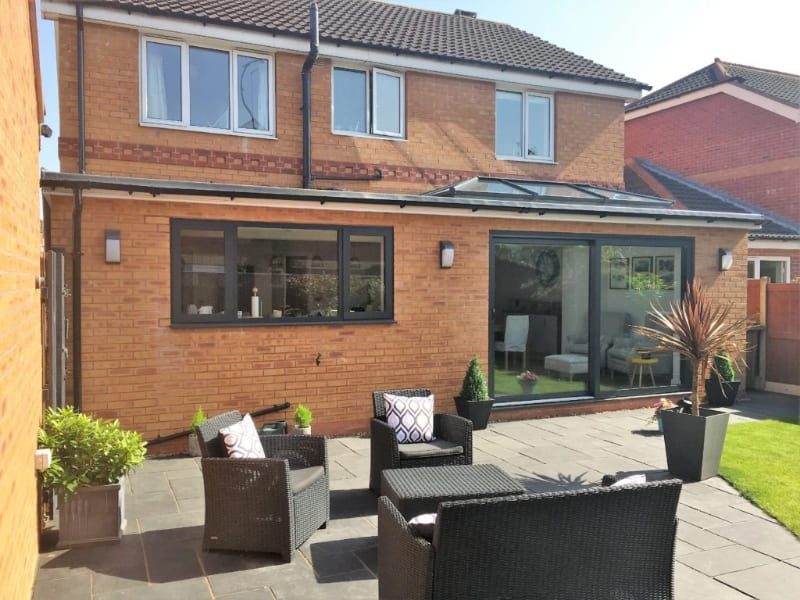
Designing a single story extension kitchen is an opportunity to reshape how a home works, but it also involves a series of important decisions that need careful thought. A well‑planned single story extension kitchen can improve space, light, comfort and value, while a poorly considered one may introduce problems that are difficult or costly to fix later.
When planning a single story extension kitchen, one of the first considerations is how the new space will connect to the existing house. It is important to think about the route from the main entrance to the kitchen, how people will move between cooking, dining and living areas, and whether the extension will create a natural flow or a confusing series of rooms. The position of doors, hallways and stairs influences whether the single story extension kitchen feels like a true heart of the home or a separate add‑on at the back. Taking time to map daily routines helps to decide where entrances, internal openings and sightlines should sit.
Natural light is a central factor in single story extension kitchen design. Many people want a bright, airy space with good views of the garden, but it is necessary to consider the orientation of the extension and how the sun moves across the property. A south‑facing single story extension kitchen may gain abundant light but also risk overheating without shading, while a north‑facing one might require larger openings or rooflights to avoid feeling gloomy. Glazing in the form of wide doors, windows or roof features needs to be balanced with solid wall space for units, tall storage and appliances. This balance ensures the single story extension kitchen is both practical to furnish and pleasant to be in.
The structural implications of creating a single story extension kitchen are another important area. Opening up the rear of the house to form one large space often involves removing or altering load‑bearing walls. This requires appropriate structural support, such as beams or columns, calculated by a competent professional. The placement of these supports will affect the layout of the single story extension kitchen, because posts or downstands may influence where cabinets, islands and dining furniture can go. It is therefore helpful to develop the structural and interior layout together, rather than treating them as entirely separate stages.
Kitchen layout itself is a major consideration in a single story extension kitchen. Decisions about where to place the main cooking zone, sink, fridge and preparation areas will shape how comfortable and efficient the space is to use. Traditional planning ideas such as the working triangle or zoned layouts can guide how far apart key elements should be. In a larger single story extension kitchen, it might be helpful to create distinct but connected zones for cooking, casual seating and dining, so that the space feels organised rather than sprawling. The relationship between the hob, sink and fridge, as well as access to bins, dishwashers and storage, will influence how the kitchen functions day to day.
Services such as plumbing, electrics and ventilation require careful thought in a single story extension kitchen. Bringing water, waste pipes and power into the new space may mean upgrading existing systems or rerouting them to suit the revised layout. Venting cooking odours to the outside rather than recirculating them is particularly important in a large open‑plan single story extension kitchen, otherwise smells and grease can spread throughout the living area. Planning for enough power outlets, lighting circuits and data points ensures that the kitchen can accommodate modern appliances and changing technology over time, without resorting to trailing cables and adapters.
Storage is another crucial element when designing a single story extension kitchen. The larger the room, the greater the risk that clutter will accumulate if storage is not well planned. Full‑height cabinets, pantry units, concealed utility areas and built‑in seating with storage beneath can all help to keep the space tidy. It is worth thinking about what is stored where, from everyday cookware and crockery to bulk food supplies and occasional items. A single story extension kitchen that looks sleek in drawings can quickly feel disorganised in reality if there is nowhere sensible to put things, so detailed attention to storage often pays off.
The connection between the single story extension kitchen and the garden or outdoor space is a distinctive design question. Many people want large glazed doors that open onto a patio or deck, creating an easy flow for outdoor dining and play. This involves considering floor levels, step‑free thresholds and surfaces that work well both visually and practically. The view from the kitchen sink, cooking area or dining table can also be shaped through window placement and garden design. A well‑framed view makes the single story extension kitchen feel more generous, while poorly thought‑out vistas can draw attention to boundaries, sheds or neighbouring buildings.
Heating, cooling and acoustics each have a role in the comfort of a single story extension kitchen. Open‑plan spaces with high ceilings and lots of glazing may lose heat quickly in winter and gain it rapidly in summer. Choices such as underfloor heating, additional radiators, or the inclusion of cooling solutions need to be considered from the start so that they integrate with the overall design. Hard finishes such as tiles, stone worktops and large glass areas can create echo and noise, especially when the single story extension kitchen is busy. Introducing softer elements like rugs, upholstered furniture, acoustic panels or strategically placed curtains can help balance sound without compromising the clean lines many people want.
Budget and phasing form another set of considerations for a single story extension kitchen. Costs cover not only the structure itself but also glazing, kitchen units, worktops, appliances, flooring, lighting and decoration. It can be tempting to allocate most of the budget to visible items, but the underlying fabric, insulation and quality of installation are just as important for long‑term satisfaction. Some homeowners plan a single story extension kitchen in stages, completing the shell and basic layout first, then upgrading finishes and appliances later. If this is the case, it is wise to ensure that the initial design allows for future changes without major rework.
The impact on the rest of the house also needs attention. A single story extension kitchen often changes how rooms are used, possibly making former dining rooms redundant or altering circulation patterns. It is worth deciding early what role these existing spaces will play once the extension is finished. They might become a snug, a study, a playroom or a quiet retreat away from the bustle of the single story extension kitchen. Thinking of the house as a whole helps avoid leaving awkward, underused rooms in the layout and makes the most of the investment in new space.
Planning and regulatory aspects are another layer of design considerations. A single story extension kitchen may fall within permitted development in some cases, but factors such as height, depth, proximity to boundaries and previous alterations all influence this. Even when formal permission is not required, building regulations will apply to structure, insulation, fire safety, electrics and drainage. Understanding these constraints early can prevent disappointment and redesign later. Neighbour relationships should also be considered, particularly where the single story extension kitchen borders another property or affects light and privacy.
Finally, the character and style of the single story extension kitchen should feel coherent with the rest of the home, even if it introduces a more contemporary twist. Materials, colours and proportions can either contrast sharply or provide a gentle transition between old and new. Some people prefer a clean, modern single story extension kitchen attached to a traditional house, while others aim for a more blended look. Either way, taking cues from existing architectural details, ceiling heights and window forms can help the extension feel like a natural evolution rather than an unrelated box.
When all these considerations are brought together thoughtfully, a single story extension kitchen can dramatically enhance daily life. It can provide generous, light‑filled space for cooking, dining, working and relaxing, improve connections to the garden, and increase the usability and value of the entire house. By paying attention not only to aesthetics but also to structure, services, storage, comfort and how the space will truly be lived in, the design of a single story extension kitchen becomes a careful balance of practicality and aspiration.