

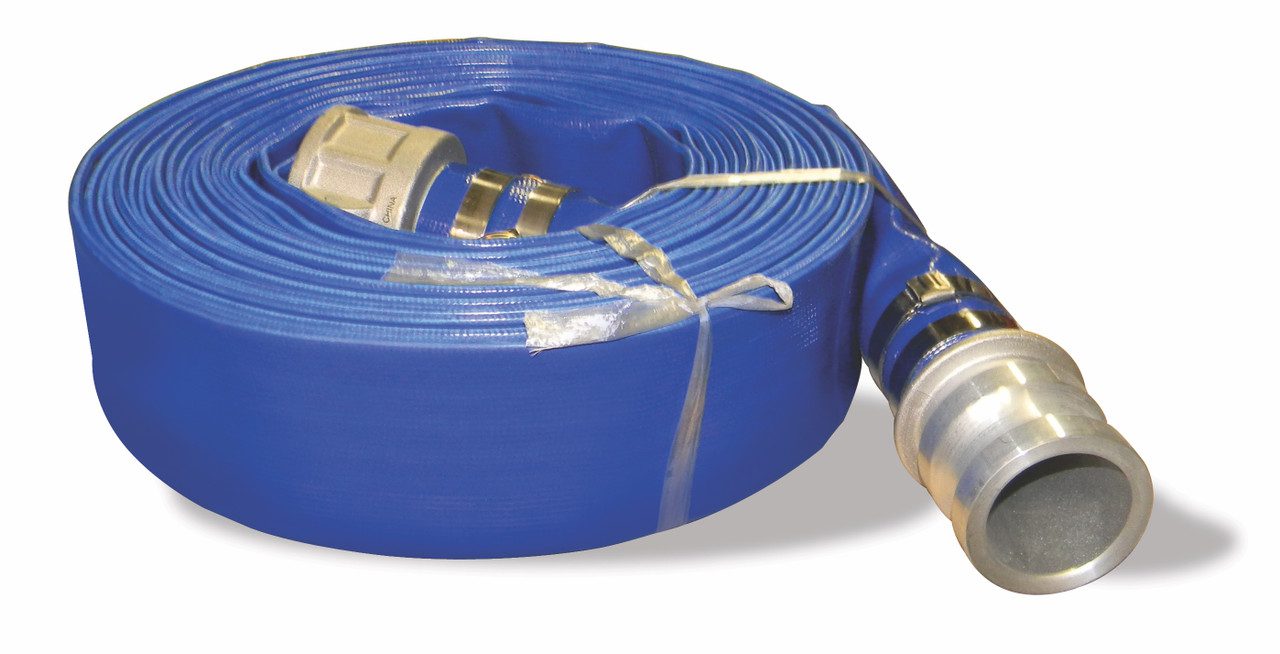
Ensuring the seamless movement of bulk materials and fluids is a fundamental requirement across various industries, from agriculture and mining to food processing and pharmaceuticals. These sectors rely heavily on effective systems that can manage the complexities of transporting different substances. One of the key components in this intricate puzzle is the discharge hose. The importance of a discharge hose cannot be overstated, as it plays a pivotal role in facilitating the efficient transport and transfer of products.
Discharge hoses are specially designed to move materials from a storage point to a processing unit or between different storage systems. They are often subjected to harsh conditions, including exposure to chemicals, extreme temperatures, and abrasive materials. This unique combination of requirements necessitates that the materials used in the construction of discharge hoses are extremely durable while also being flexible enough to accommodate a variety of movement patterns. The materials commonly used in discharge hoses include rubber, PVC, and, in some cases, polyurethane, each selected based on the specific needs of the application.
The key role of a discharge hose begins with its ability to manage bulk materials with surprisingly varied properties. For instance, substances that have a fine grain can often present challenges, such as clumping together, which can block flow pathways and create significant delays in operations. Discharge hoses are designed to facilitate the smooth movement of these materials, hence reducing downtime and ensuring that processes run effectively. The construction of the hose, combined with its internal structure and surface finish, all contribute to a reduction in friction and the minimisation of clumping. This is particularly crucial in industries where bulk quantities of grain or powder are involved.
In addition to clumping, another significant issue in the handling of bulk materials is the tendency of certain substances to become static, especially when they are dry and fine. Static build-up can lead to inefficiencies in transport and, in extreme cases, can even pose fire hazards. The appropriate discharge hose exhibits properties that help dissipate static charges, ensuring not only the safe transport of materials but also the efficiency of the overall process. When materials can be discharged effectively without the risk of static build-up, businesses can operate with a greater sense of security and confidence.
Moreover, the flexibility and adaptability of discharge hoses enhance their effectiveness in bulk material handling. Depending on operational demands, these hoses can be bent and shaped to navigate around obstacles without compromising their functionality. This versatility allows industries to adapt their layouts and processes according to changing requirements without the fear of compromising on efficiency. Such flexibility is invaluable in dynamic environments where project parameters and material handling needs are susceptible to rapid change.
The construction quality and design of discharge hoses also contribute to their overall effectiveness. High-quality hoses are crafted to withstand wear and tear, which translates to longer life spans and fewer replacements, leading to lower operational costs in the long run. The dynamic nature of many operations means that discharge hoses often need to withstand some of the most challenging conditions. By investing in hoses that are constructed with robust, high-grade materials, industries can significantly reduce the risks of leaks, burst hoses, and other failures that can disrupt operations.
The importance of a discharge hose extends beyond just the physical capabilities. Effective communication and user understanding of the proper handling and use of these hoses can dramatically influence their performance. Maintenance practices play a crucial role as well; hoses must be regularly checked for signs of wear and tear, as well as correctly cleaned to prevent contamination or degradation of materials being transported. A thorough understanding of a discharge hose’s capabilities, along with regular inspections and maintenance, ensures that industries can consistently rely on these vital components of their operations.
In addition, it is essential to consider the impact of discharge hose technology on broader industry standards and regulations. As environmental concerns rise and regulatory demands tighten, many industries are prompted to invest in hoses that not only perform better but also contribute to sustainability goals. The right discharge hose can facilitate a reduction in waste, prevent spillage, and minimise emissions, aligning with global initiatives aimed at reducing environmental impact.
The development of technology and innovations in the manufacture of discharge hoses is also noteworthy. With advancements in materials science, newer hoses are emerging that offer enhanced features, such as greater flexibility at extreme temperatures, improved resistance to chemicals, and better performance in abrasive conditions. These innovations are critical in ensuring that discharge hoses continue to meet the evolving needs of different industries, providing peace of mind to operators and stakeholders.
Furthermore, businesses are becoming increasingly aware of the importance of integrating their material handling systems with real-time monitoring and predictive maintenance technologies. This intelligent approach allows for a proactive stance on managing discharge hoses within the operational architecture. By leveraging data analytics and sensor technology, businesses can gain insights into the performance of their discharge hoses and pre-emptively address potential issues before they escalate. This not only enhances the reliability of material transfer operations but also optimises resource allocation, further driving efficiency.
Discharge hoses play an integral role in ensuring the smooth operation of bulk material handling processes, enabling industries to mitigate the risks associated with the transportation of various substances. The combination of durable materials, flexible design, and continuous advancements in technology ensures that these hoses remain a vital component in the machinery of many industries.
Ultimately, the significance of a discharge hose extends far beyond its primary function. As industries continue to evolve and adapt to new challenges and opportunities, discharge hoses will be indispensable in facilitating efficient and safe operations. Without the reliable performance of discharge hoses, industries would find it difficult to maintain productivity, safety, and adherence to quality standards, all of which are crucial to sustainable operations and long-term success. The discharge hose, therefore, represents not just a tool for material handling but also a critical piece in the larger puzzle of industrial efficiency and safety.