

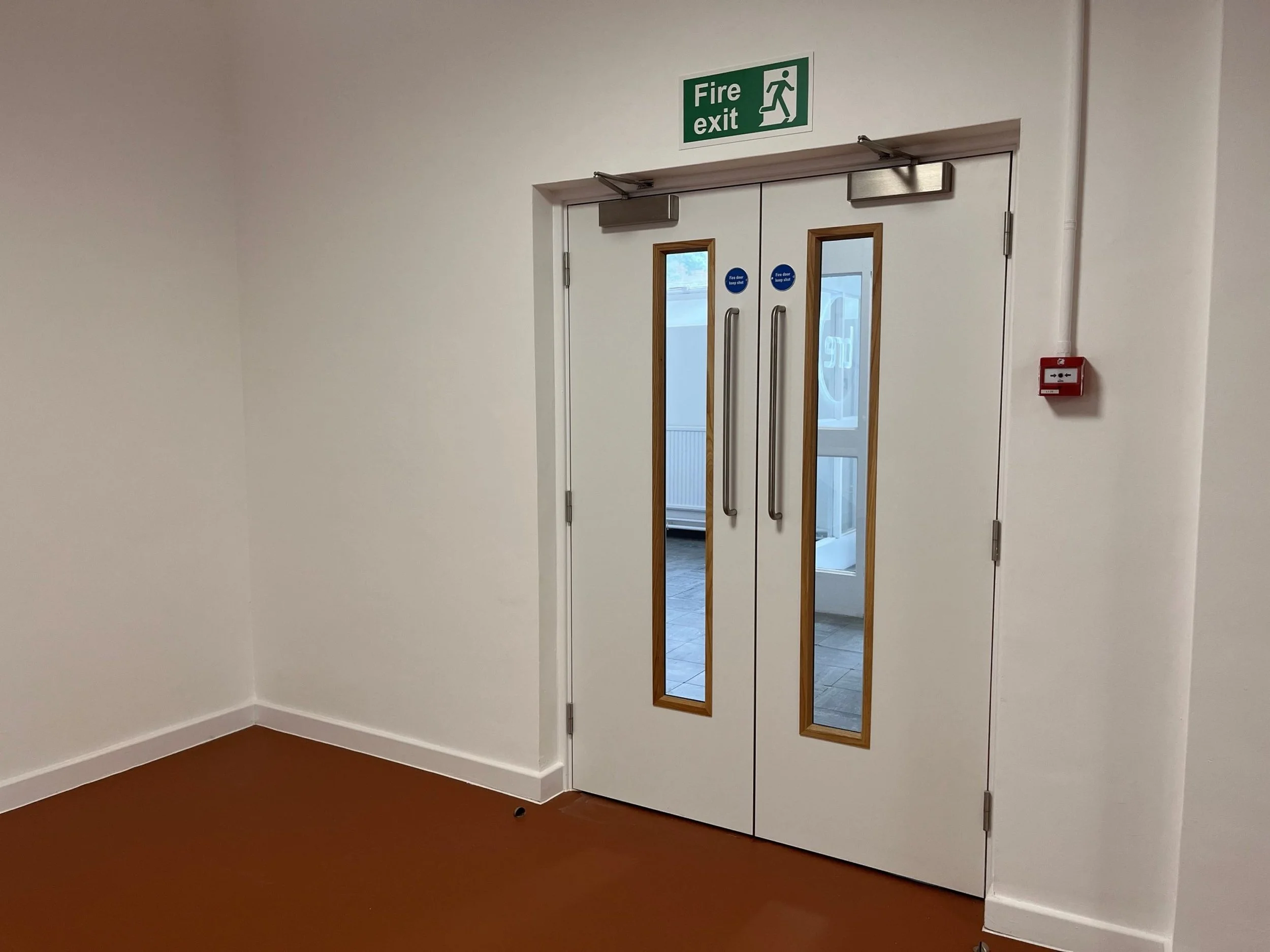
Fire safety is still one of the most critical obligations for property owners, landlords, facility managers, and employers in the United Kingdom. While alarms, extinguishers, and evacuation protocols are frequently discussed, fire doors are also critical in safeguarding lives and property during an emergency. Properly maintained fire doors may delay the spread of smoke and flames, provide inhabitants enough time to escape, and prevent building damage. However, these advantages may only be realised if fire doors are periodically tested and maintained appropriately. This is why expert fire door inspections are a critical component of any fire protection strategy.
Many businesses fail to recognise that fire doors must be monitored on a constant basis in order to function properly. Wear and tear, unintentional damage, inadequate maintenance, or inappropriate changes can all have a negative impact on their effectiveness. Even seemingly small flaws might prevent a fire door from working properly during an emergency. Professional fire door inspections can uncover these flaws before they become harmful, ensuring that fire doors continue to satisfy regulatory standards and function properly.
In the United Kingdom, fire safety regulation assigns explicit obligations to individuals who own, manage, or govern buildings. Regulations require responsibility holders to ensure that fire safety equipment and systems are well-maintained. Fire doors are an important aspect of this obligation, especially in business buildings, apartments, healthcare settings, educational facilities, and public areas. Regular fire door inspections by skilled specialists serve to demonstrate legal compliance while also promoting a safer environment for everyone who uses the facility.
One of the primary reasons fire door inspections are so crucial is that many flaws are not readily apparent to inexperienced personnel. A fire door may look functional while still having flaws that might jeopardise its usefulness. Damaged seals, large gaps, broken hinges, misaligned frames, and improper alterations can all weaken the door’s fire and smoke resistance. Professional inspectors know what to look for and can detect hidden problems before they become major safety concerns.
Professional fire door inspections also contribute to uniformity throughout a full property portfolio. Large businesses frequently manage many buildings with different layouts, occupancy levels, and fire safety regulations. Without a systematic inspection procedure, flaws can easily go undetected. By scheduling frequent fire door inspections, property managers may establish a consistent maintenance schedule, keep accurate records, and verify that all fire doors are examined to the same professional quality.
A fire door’s condition is determined by factors other than the door itself. Frames, intumescent strips, smoke seals, glass, hinges, locks, and self-closing systems are all critical components for fire performance. During expert fire door inspections, each piece is meticulously evaluated to ensure that it meets applicable criteria and functions properly. Inspectors will also ensure that the door shuts completely, fits correctly inside the frame, and is free of unlawful changes that might compromise its integrity.
Another critical feature of fire door inspections is detecting damage produced by normal use. In high-traffic business or residential buildings, fire doors are constantly in motion and come into touch with humans, equipment, and furnishings. Over time, this can lead to loose hinges, broken seals, worn closers, and structural degradation. Professional inspections allow these issues to be recognised early on, eliminating the need for costly repairs or complete replacements later.
Fire door inspections are especially crucial in residential complexes and multi-occupancy buildings, where fire safety obligations are under growing scrutiny. Residents rely on fire doors to compartmentalise fire and smoke, keeping safe escape routes open for as long as feasible. Failure to maintain these doors can put lives at danger. Professional inspections ensure that communal and apartment entry fire doors continue to provide the protection for which they were built.
For companies, frequent fire door inspections are part of a larger commitment to workplace safety. Businesses have a responsibility to safeguard their workers, visitors, contractors, and consumers against preventable dangers. A badly maintained fire door may fail to contain a fire, resulting in casualties, interruption, financial loss, and reputational harm. Employers who engage in expert fire door inspections take a proactive approach to compliance and risk management.
One of the most typical faults detected during fire door inspections is improper maintenance or illegal alteration. In certain circumstances, fire doors are modified to allow cables, ventilation grilles, signs, or access devices without considering how these modifications influence fire performance. Even minor acts, such as painting over seals or replacing authorised hardware with unacceptable substitutes, might degrade performance. Professional inspectors can detect these changes and offer remedial measures to restore compliance.
Documentation is another significant advantage of expert fire door inspections. Accurate records are critical for establishing compliance with fire safety standards and facilitating risk assessments. Inspection papers demonstrate that fire doors have been verified by qualified personnel and that discovered flaws are being fixed properly. In the case of an audit, inquiry, or insurance claim, these documents can be important.
Regular fire door inspections can help with more effective maintenance planning. Rather than responding to serious flaws, building managers should adopt a proactive approach by detecting wear and degradation early on. This enables maintenance work to be scheduled in a controlled and cost-effective way, reducing inconvenience to residents and assisting companies in managing budgets more efficiently.
The frequency of fire door inspections varies according on the kind of structure, occupancy numbers, and fire risk assessment results. High-traffic areas such as hospitals, schools, hotels, and business buildings may necessitate more regular inspections owing to increasing wear and usage. Residential and low-traffic properties may have separate schedules. Professional inspectors can recommend appropriate inspection intervals depending on the building’s particular dangers and operating requirements.
Professional fire door inspections are also important since rules and standards change over time. Building owners and managers may not be aware of changes to fire safety guidelines or best practice suggestions. Qualified inspectors remain up to date on current requirements and can identify locations where existing fire doors or maintenance processes no longer satisfy expectations. This enables organisations to remain compliant while continually enhancing their fire safety systems.
When doing fire door inspections, it is vital to have training and expertise. Fire doors are specialised safety equipment that require much knowledge to correctly evaluate. Competent inspectors understand certification criteria, installation standards, and the technical factors that influence fire resistant performance. Relying on untrained workers may result in significant flaws being undetected, posing undue dangers to building occupants.
Another benefit of expert fire door inspections is that they give confidence to residents, staff, and visitors. People are more likely to be confidence in a building’s safety arrangements if they know that critical fire prevention systems are routinely maintained. This confidence can be especially crucial in residential projects, healthcare institutions, and educational environments where vulnerable people rely largely on proper fire compartmentation.
Fire door inspections can also help with insurance compliance. Insurers are increasingly requiring property owners to verify that fire safety systems are being properly maintained. Failure to examine and maintain fire doors may damage insurance coverage or complicate claims after a fire. Regular expert inspections demonstrate that adequate efforts have been taken to reduce risk and maintain safe conditions.
In addition to legal and economical issues, fire door inspections have a direct impact on saving lives. Fire doors are intended to slow the spread of fire and smoke, enabling safer escape pathways and giving firemen more time to respond successfully. A single faulty door may jeopardise a whole compartmentation plan, allowing hazardous conditions to spread quickly across a structure. Professional inspections assist guarantee that every fire door works as designed when it counts the most.
Communication among inspectors, maintenance teams, and accountable individuals is another critical aspect in establishing compliance. Professional fire door inspections may offer comprehensive suggestions for repairs, replacements, or on-going maintenance. Acting quickly on these discoveries is critical for upholding safety standards and preventing small concerns from becoming major risks.
Building managers should also understand that fire door inspections are more than just a checklist. They are part of a larger culture of fire safety knowledge and accountability. Organisations that emphasise frequent inspections show a true commitment to safeguarding people and property, rather than simply satisfying statutory requirements.
Modern buildings may accommodate a variety of fire door types, such as glass doors, acoustic fire doors, steel fire doors, and specialised doors for healthcare or industrial settings. Each kind may have different inspection requirements and performance standards. Professional inspectors have the knowledge required to appropriately analyse these systems and guarantee they are still fit for purpose.
Fire door inspections are especially critical after renovations, changes in tenancy, or structural adjustments. Construction operations may mistakenly harm fire doors or jeopardise compartmentation systems. New tenants may also make operational modifications that alter door usage and wear patterns. Arranging professional inspections following large modifications helps to ensure that fire safety requirements have not been violated.
Another typical issue discovered during fire door inspections is poor closing performance. To offer efficient fire protection, fire doors must be fully closed and latched appropriately. Damaged closers, blockages, poor adjustments, and excessive wear can all prohibit doors from working correctly. Professional inspectors can discover these issues and offer appropriate repair actions.
Many businesses are increasingly taking a more proactive approach to building safety, realising that prevention is always more beneficial than responding to situations after they have occurred. Regular fire door inspections complement this technique by discovering flaws before they lead to major occurrences. This proactive approach promotes safer surroundings while assisting companies in meeting their legal commitments with confidence.
Finally, expert fire door inspections are an important investment in safety, compliance, and long-term property security. Fire doors cannot be expected to function effectively if they are ignored, broken, or poorly maintained. Regular inspections help guarantee that these vital safety systems continue to work properly and meet current regulations.
As fire safety demands in the UK develop, the need of expert fire door inspections is expected to become even more. Organisations that emphasise frequent inspections not only decrease risks and enhance compliance, but also demonstrate a strong commitment to protecting the people who use their buildings on a daily basis. Property owners may contribute to safer, more resilient settings for everybody by addressing fire door inspections as an essential component of continuing fire safety management.